Shooting in Europe from Asia: a guide for Asian production companies
Visas, EU entry systems, carnets, time zones, payments and local support for productions travelling from Asia.

Crews from Korea, Japan, Singapore, Malaysia, Taiwan and Hong Kong travel to Europe visa-free. Crews from China, India and most of Southeast Asia need a Schengen visa, which now also covers Bulgaria and Romania. Camera equipment travels on an ATA Carnet from most Asian markets, and translators, Asian talent and Asian catering can all be arranged locally.
Most production guides to Europe are written for American or British producers. An Asian production faces a different set of questions: longer flights, a six to eight hour time difference for approvals, different visa rules depending on passport, and the practical side of moving a large team and its equipment across continents. This guide covers each of them.
Visas: who needs what
Visa-free, up to 90 days in any 180: South Korea, Japan, Singapore, Malaysia, Taiwan, Hong Kong, Macao and Brunei.
Schengen visa required: China, India, Thailand, Vietnam, the Philippines and Indonesia. Apply early. Processing times vary by country and season, and a large crew means many individual applications.
One visa now covers more of the region. Bulgaria and Romania became full Schengen members in 2025, so a single Schengen visa covers Bulgaria, Romania, Hungary, Czechia, Poland and the rest of the Schengen area. Serbia and Turkey are outside Schengen and have their own entry rules.
Work on set. Whether crew need any additional authorisation for a short shoot depends on the country and the role. We confirm the requirements for each production at bid stage.
New EU entry systems: EES and ETIAS
EES is already live. Since 10 April 2026, every non-EU traveller is fingerprinted and photographed at their first entry into the Schengen area. For a large crew arriving together, this adds time at passport control. Build it into the arrival day, and don't schedule a recce for the same afternoon.
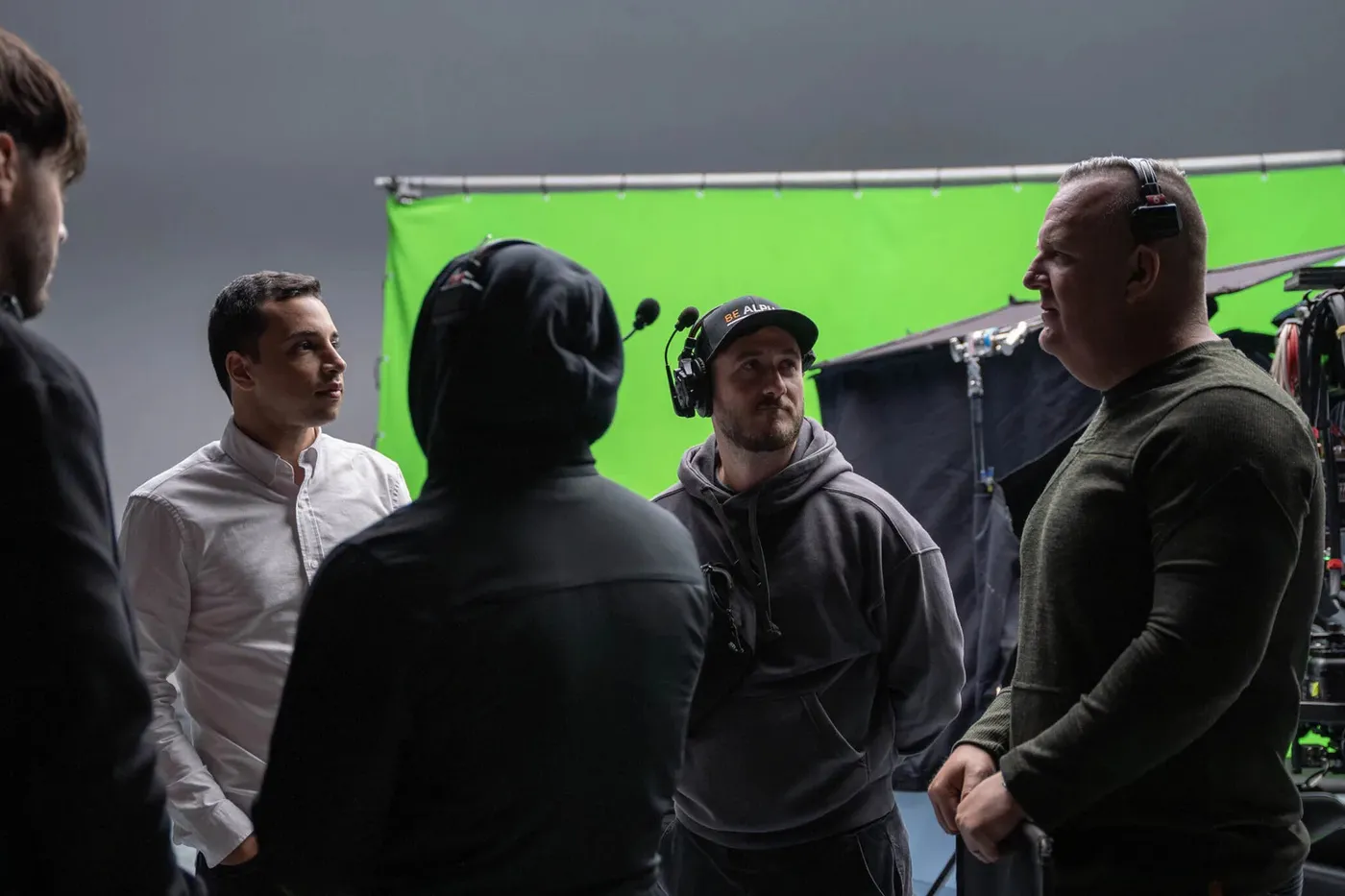
On a K-pop music video we serviced in Prague in September 2026, the 40-person Korean team arrived five days before the first shoot day. That left room for border formalities, recces and prep without pressure on the schedule.
ETIAS is not yet in force. It's a new online authorisation for visa-free travellers, including Korean and Japanese passport holders. It was planned for late 2026, but the EU withdrew that date in July 2026 and will announce a start date several months in advance. Many guides still say late 2026. For now, no action is needed.
Bringing your equipment
Most Asian markets are in the ATA Carnet system, including Korea, Japan, China, Taiwan, Hong Kong, India, Singapore, Malaysia and Thailand. A carnet lets camera and lighting equipment enter temporarily without paying import duty, and leave again after the shoot.
Two points to check. Some countries limit what a carnet covers: Vietnam's, for example, applies to exhibition goods only. And the carnet must list every item, so prepare it well before departure.
Many productions bring only key items and hire the rest locally. On the K-pop production in Prague, the Korean team brought its own camera body and hired the rest of the package on the ground. Sofia's rental houses carry ARRI Alexa Mini LF, Alexa 35, Sony Venice and Burano, and RED, which keeps the carnet short and the baggage manageable.
Time zones and approvals
Seoul and Tokyo are six hours ahead of Bulgaria in summer and seven in winter. Beijing and Singapore are five to six hours ahead, and India two and a half to three and a half. For Prague and Budapest, add one more hour.
In practice, the European working day starts as the Asian day ends. Approvals sent in the evening in Seoul arrive at the start of the shoot day in Sofia. Two things make this work:
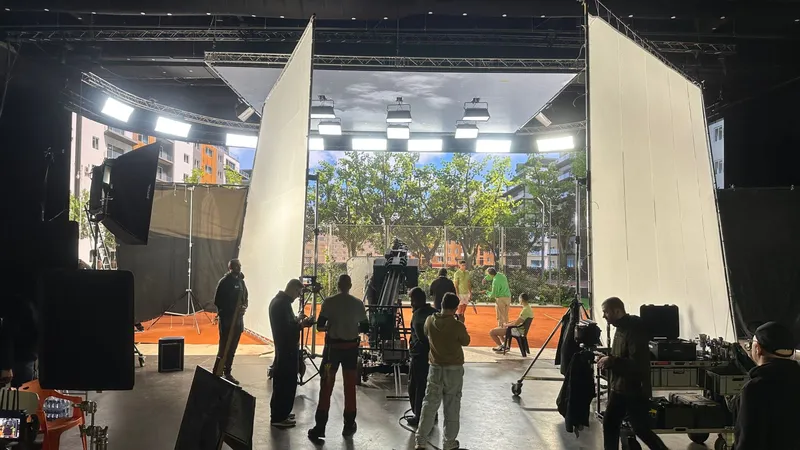
- Remote video village. Clients who stay home watch the live camera feed and approve takes in real time.
- A shared, live expense sheet. On the K-pop production in Prague, the client followed every additional cost through a live sheet as it happened, and approved changes in writing before anything was booked. Nothing waited for a phone call across time zones.
Payments
Budgets are quoted and invoiced in euros. Payment is usually staged, with a first instalment on signing, a second before the shoot and a final one around the last shoot day.
Allow time for international transfers. A payment from Asia can take several working days to clear, so send instalments early, especially the one due before the shoot. It's also worth carrying a small euro cash float for incidentals, since not every Asian bank card works smoothly at European cash machines and terminals.
Footage is typically handed over on the last shoot day against confirmation of the final payment, once the client's DIT and the local DIT have verified the data together. Both sides leave knowing the footage is complete and the account is settled.
Language, talent and food
Translators. English is the working language on set, and heads of department are fluent. For teams that prefer to work in their own language, Korean, Japanese, Chinese and other interpreters can be arranged.
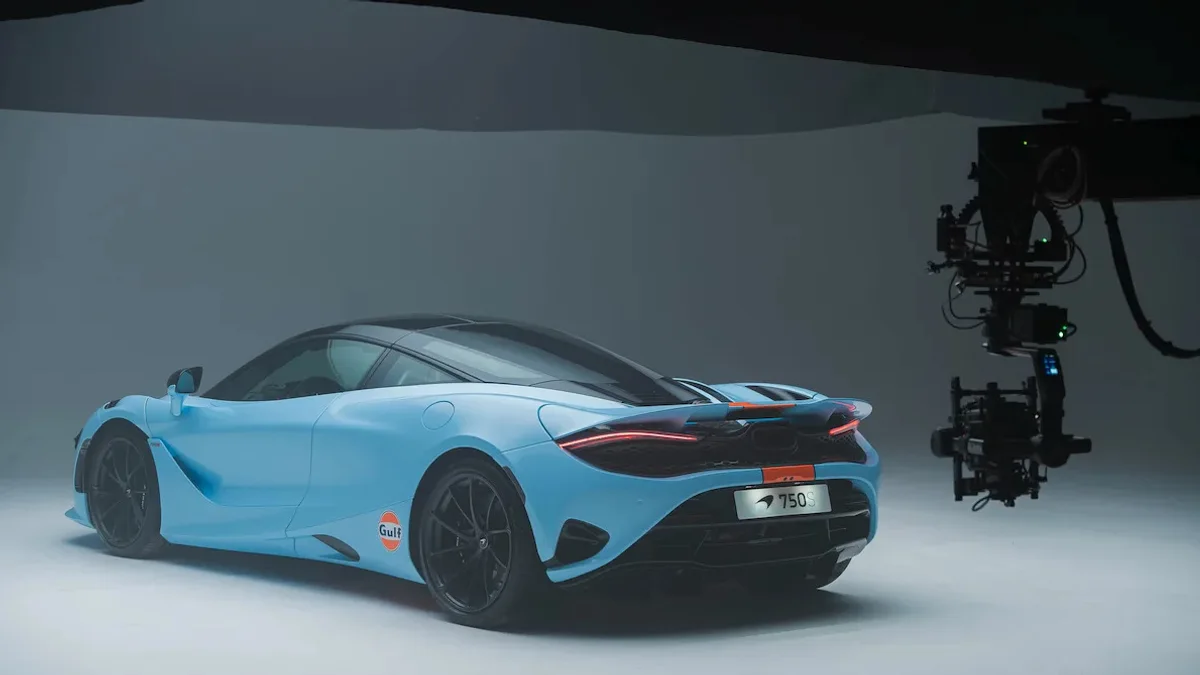
Asian talent, cast locally. You don't need to fly in your whole cast. Asian talent can be cast in Bulgaria. For a McLaren commercial aimed at Asian markets, the Asian cast was sourced locally rather than flown in.
Artist security. For music videos and celebrity talent, VIP security can be arranged for the shoot days.
Catering. Korean and other Asian food can be arranged for the crew and client team, which matters on a multi-day shoot far from home.
Frequently asked questions
Have you worked with Korean production companies?
Do Korean and Japanese crews need a visa to shoot in Europe?
Does a Schengen visa cover Bulgaria?
Do we need ETIAS?
Can we bring our own camera equipment from Asia?
Can you cast Asian talent in Bulgaria?
Will language be a problem on set?
How do approvals work with the time difference?
Can you provide Asian food on set?
About this guide
Compiled by Vivid Films, a production service company based in Sofia working across Bulgaria, the Balkans and Southeast Europe.
Sources
- Sources: European Commission (ETIAS and EES); International Chamber of Commerce ATA Carnet system; Vivid Films production data.